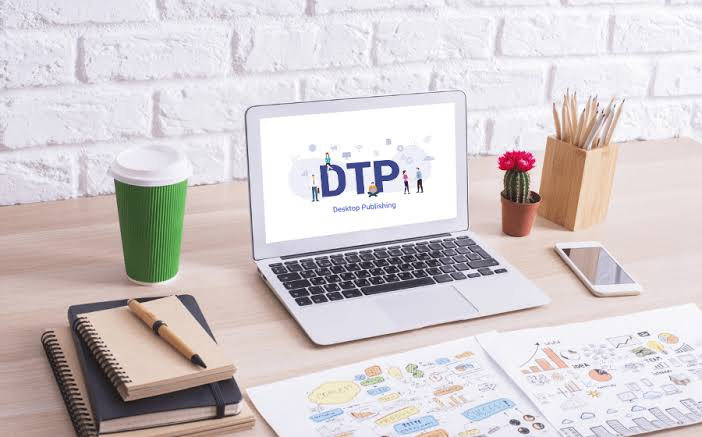
When brands talk about multilingual marketing, the spotlight usually falls on translation and localization. While these are undeniably critical, there is another element quietly ensuring that global campaigns actually look professional and persuasive across languages: Desktop Publishing (DTP). In the translation industry, DTP often works behind the scenes—but its impact on multilingual marketing collateral is massive.
What Is DTP in the Translation Industry?
Desktop Publishing in translation goes far beyond formatting text. It involves adapting layouts, fonts, images, spacing, and design elements to suit different languages and cultures—without compromising brand identity. Languages expand, contract, shift direction, and follow unique typographic rules. DTP specialists make sure translated content fits perfectly into brochures, websites, catalogs, presentations, and advertisements.
Why Translation Alone Is Not Enough
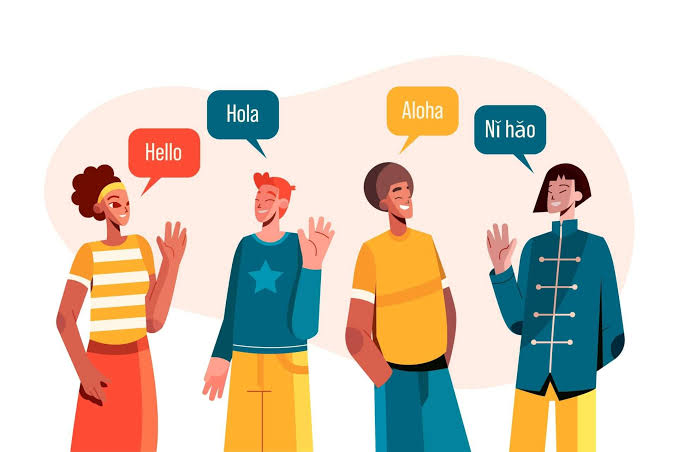
A word-perfect translation can still fail if the design breaks. German text may overflow a layout, Arabic may require right-to-left formatting, and Asian languages often need specialized fonts. Without professional multilingual DTP services, marketing collateral can appear cluttered, unbalanced, or unprofessional—instantly damaging brand credibility.
This is where DTP becomes the silent problem-solver, ensuring that translated content looks as good as it reads.
The Role of DTP in Multilingual Marketing Success
DTP acts as the bridge between language and design. It ensures:
• Visual consistency across all languages and regions
• Cultural adaptability without redesigning from scratch
• Brand compliance in global campaigns
• Print-ready and digital-ready files for every market
For global brands, DTP is essential to delivering localized marketing materials that feel native, not translated.
DTP + Localization = Higher Conversions
In multilingual marketing, trust is everything. Customers are more likely to engage with content that feels familiar and polished. Well-executed DTP supports localization by preserving layout harmony, readability, and emotional impact—key drivers of conversion and engagement.
Search engines also reward high-quality localized content. SEO-friendly translation combined with accurate DTP enhances user experience, reduces bounce rates, and strengthens international SEO performance.
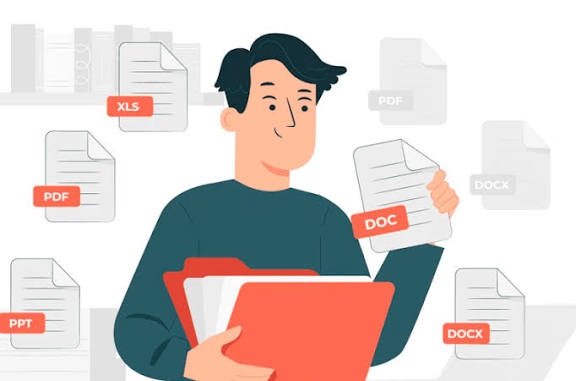
Why DTP Deserves More Recognition
Despite its importance, DTP rarely gets credit. Yet every well-designed multilingual brochure, banner, website, or product catalog owes its clarity and professionalism to strong DTP workflows. In the fast-moving translation and localization industry, DTP ensures speed, accuracy, and scalability—making it an unsung hero of global communication.
Final Thoughts
Multilingual marketing success is not just about words—it’s about presentation. Desktop Publishing ensures that translated content looks flawless, culturally appropriate, and brand-aligned in every language. For businesses investing in translation and localization services, professional DTP is not optional—it’s essential.
 Gaming Computer
1 × $940.00
Gaming Computer
1 × $940.00
 Smartphone Vivo
V9 1 × $899.00
Smartphone Vivo
V9 1 × $899.00 SanDisk Flash
Drive 1 × $756.00
SanDisk Flash
Drive 1 × $756.00 Smart Power Bank
1 × $723.00
Smart Power Bank
1 × $723.00
 Apple Smartwatch
1 × $1080.00
Apple Smartwatch
1 × $1080.00




.jpeg)




.jpeg)