In the translation industry, accuracy is king—but in regulatory translation, presentation is queen. And if either one fails, the entire submission can collapse. Desktop Publishing (DTP) for regulatory documents is where linguistic precision meets structured design. It’s not just about translating words; it’s about delivering compliance-ready documents that meet strict international standards.
Regulatory documents include:
• Clinical trial reports
• Medical device manuals
• Pharmaceutical packaging and labels
• Legal contracts and compliance filings
• Safety data sheets (SDS)
Each of these documents must follow highly specific formatting and submission guidelines. Regulatory authorities review margins, headings, pagination, font consistency, tables, charts, and references. A minor formatting inconsistency in a medical translation project could delay approvals—or worse, result in rejection.
Why DTP Matters in Regulatory Translation
Once content is translated through professional language services or CAT tools, the layout must be carefully reconstructed. This is where multilingual desktop publishing plays a critical role.
Here’s what DTP ensures:
• Layout consistency across languages
• Accurate placement of tables, charts, and diagrams
• Compliance with country-specific formatting standards
• Readability and visual clarity
• Terminology consistency in structured elements
Without proper DTP services, even the most accurate translation can lose credibility.
Key Challenges in Multilingual DTP
Regulatory localization projects are rarely straightforward. Language differences introduce technical design challenges that require expertise and specialized tools.

1. Text Expansion and Contraction
Languages like German, Spanish, or French often expand compared to English, sometimes by 20–30%. This affects page breaks, table alignment, and overall document flow. On the other hand, languages such as Chinese may reduce text length, leaving awkward white space.
2. Right-to-Left (RTL) Formatting
Arabic and Hebrew require a complete structural shift:
• Reversed page flow
• Mirrored layouts
• Adjusted numbering systems
• Repositioned graphics
This is not simple formatting—it’s structural redesign.
3. Technical Elements
Regulatory documents often contain:
• Dosage tables
• Engineering diagrams
• Compliance charts
• Cross-references and footnotes
A small misalignment in legal translation or medical translation could create serious compliance risks.
Tools That Support Regulatory DTP
Professional DTP specialists rely on advanced publishing software such as:
• Adobe InDesign
• Adobe FrameMaker
• Illustrator (for technical graphics)
These tools are frequently integrated with localization software and CAT tools to maintain terminology accuracy while preserving design integrity.

The Business Impact of Precision + Presentation
Why does all this matter?
Because regulatory authorities expect perfection. A well-formatted document signals professionalism, credibility, and attention to detail. For global companies operating in pharmaceuticals, healthcare, finance, or manufacturing, high-quality DTP services:
• Accelerate regulatory approvals
• Reduce costly revisions
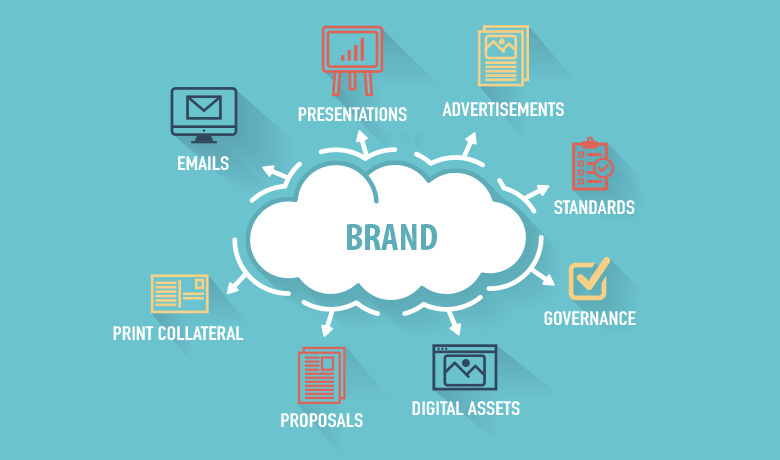
• Strengthen brand consistency
• Improve global communication
In competitive international markets, credibility is everything.
Final Thoughts
DTP for regulatory documents is not an afterthought—it’s a strategic component of the translation workflow. It ensures that compliance documents are not only linguistically accurate but also visually structured, readable, and submission-ready.
In the world of regulatory translation, precision protects you. Presentation represents you. And when both work together seamlessly, they open doors to global approval and long-term success.
 Gaming Computer
1 × $940.00
Gaming Computer
1 × $940.00
 Smartphone Vivo
V9 1 × $899.00
Smartphone Vivo
V9 1 × $899.00 SanDisk Flash
Drive 1 × $756.00
SanDisk Flash
Drive 1 × $756.00 Smart Power Bank
1 × $723.00
Smart Power Bank
1 × $723.00
 Apple Smartwatch
1 × $1080.00
Apple Smartwatch
1 × $1080.00