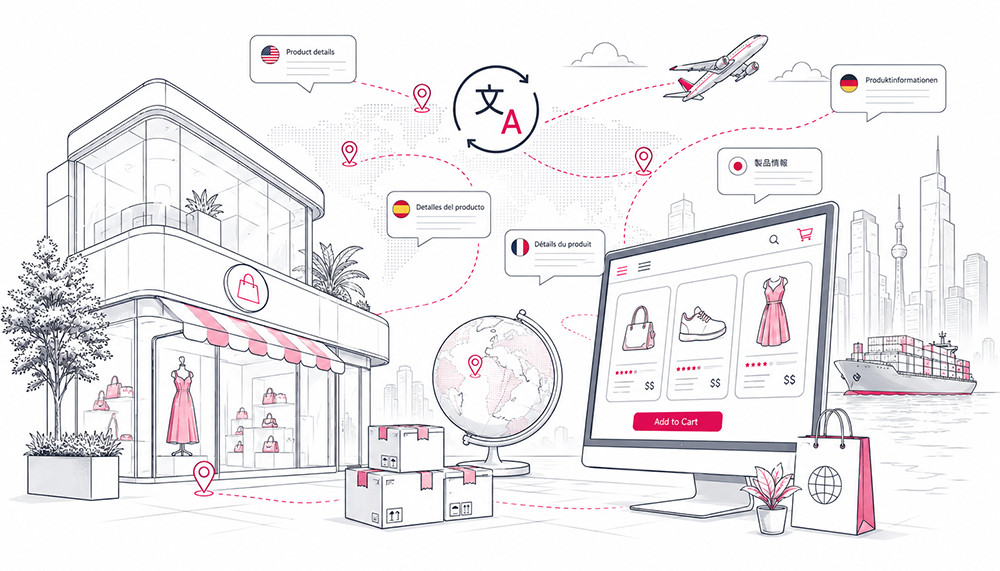
As online shopping continues to grow, businesses are no longer limited to customers in their own countries. With the right strategy, an ecommerce website can attract buyers from different regions and expand into international markets. However, simply translating website content word for word is not enough. Businesses need a well-planned ecommercewebsite translation and localization strategy to connect with customers in their preferred languages.
Why Is Ecommerce Website Translation Important?
Language plays a major role in online shopping decisions. Customers are more likely to trust a website, understand product information, and complete a purchase when the content is available in their native language.
Professional website translation helps businesses:
* Reach global customers: Make products and services accessible to international audiences.
* Build customer trust: Provide clear, culturally appropriate product descriptions and checkout instructions.
* Improve international SEO: Target relevant keywords in different languages to increase visibility in local search results.
* Increase conversions: Help customers understand product features, prices, shipping policies, and return conditions.
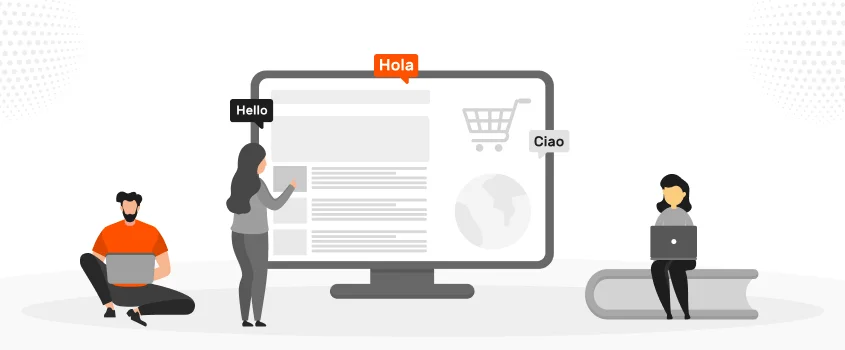
5 Steps to Translate Your Ecommerce Website
1. Identify Your Target Markets
Start by researching the countries where you want to sell your products. Consider customer demand, purchasing habits, preferred languages, and local competition. This will help you prioritize languages and choose the right international expansion strategy.
2. Translate Product Descriptions and Website Content
Product pages are essential for ecommerce success. Translate product names, descriptions, specifications, category pages, FAQs, payment instructions, and customer support content accurately. Professional translation services can help maintain consistency, clarity, and brand voice across your website.
3. Focus on Website Localization
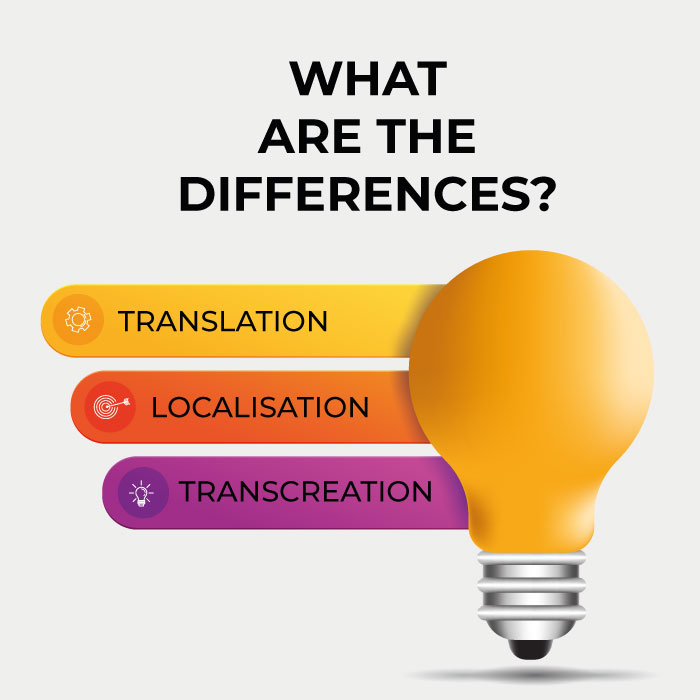
Website localization goes beyond language translation. It adapts the shopping experience to local preferences, including currencies, date formats, measurements, cultural references, and payment methods.
For example, a website targeting French customers may need localized product descriptions, prices in euros, and French-language checkout instructions. Effective localization makes international customers feel more comfortable shopping with your brand.
4. Optimize for Multilingual SEO
To attract international traffic, translate and research keywords commonly used by local customers. Optimize page titles, meta descriptions, image alt text, product URLs, and relevant website content.
A strong multilingual SEO strategy, supported by appropriate language-specific URLs and hreflang tags, can help search engines serve the correct language version to users.
5. Test the Localized Website
Before launching, review the translated content for accuracy, formatting, and cultural suitability. Test product filters, checkout pages, payment options, mobile layouts, and customer support links. Linguistic quality assurance (LQA) can help identify errors before customers encounter them.

Choose the Right Ecommerce Translation Partner
Working with an experienced translation agency can simplify international expansion. Look for professional linguists, ecommerce localization expertise, multilingual SEO knowledge, and a reliable quality assurance process.
Conclusion
Translating an ecommerce website is an investment in international growth. By combining accurate translation, website localization, multilingual SEO, and thorough testing, businesses can create a smoother shopping experience for customers worldwide.
The goal is not just to translate your website, but to make every international customer feel that your brand speaks their language.
 Gaming Computer
1 × $940.00
 Smartphone Vivo
V9 1 × $899.00
 SanDisk Flash
Drive 1 × $756.00
 Smart Power Bank
1 × $723.00
 Apple Smartwatch
1 × $1080.00