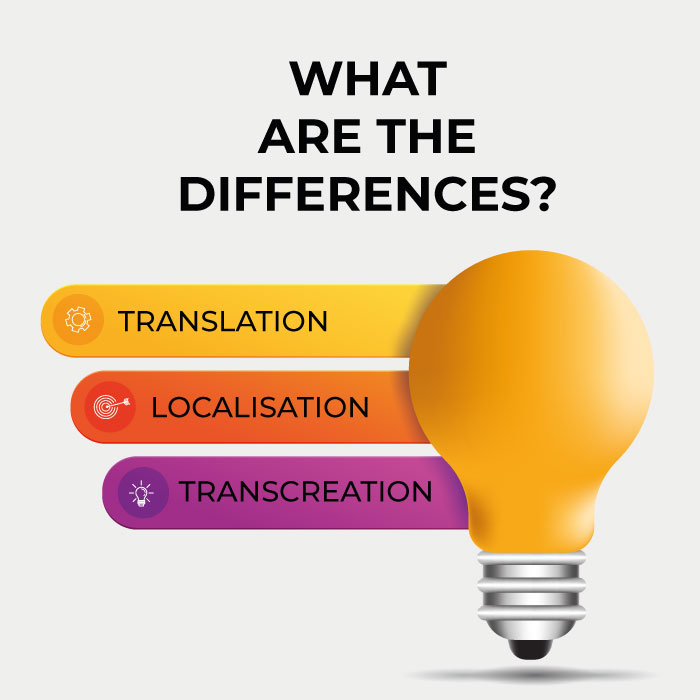
In today’s digital world, businesses are no longer limited by geographical boundaries. A company can reach customers across continents with just a website, but reaching international audiences requires more than simply translating content into another language. This is where website localization plays an important role.
Website localization helps businesses adapt their websites to the language, culture, preferences, and expectations of customers in different markets. When done correctly, it creates a seamless user experience, builds trust, and supports global business growth.
What Is Website Localization?
Website localization is the process of adapting website content and functionality for a specific target market. It goes beyond basic website translation by considering cultural differences, local expressions, currencies, date formats, images, and user behavior.
For example, an e-commerce website expanding into India may need multilingual content, local payment options, and regionally relevant product descriptions to connect effectively with its audience.
Professional website translation and localization services ensure that your message remains accurate, natural, and culturally appropriate across languages.

Why Is Website Localization Important?
Expanding globally without adapting your website can make it difficult for international customers to understand your products or trust your brand.
Here are some key benefits of website localization:
* Reach a wider audience: Communicate with customers in their preferred languages.
* Improve user experience: Make website content easier to understand and navigate.
* Boost international SEO: Use localized keywords and relevant content to improve visibility in local search results.
* Increase conversions: Help customers feel more confident when exploring products and services.
* Build brand trust: Demonstrate that your business understands local cultures and customer expectations.
Key Steps in Website Localization
A successful localization strategy requires careful planning and execution.
1. Identify Your Target Markets
Research the languages, cultural preferences, and buying behavior of your intended audiences before entering new markets.
2. Translate and Adapt Website Content
Work with professional translators and native linguists to localize website copy, product descriptions, landing pages, FAQs, and marketing materials.
3. Optimize for Local SEO
Conduct multilingual keyword research, localize meta titles and descriptions, and implement appropriate URL structures and hreflang tags where necessary.
4. Adapt Design and Functionality
Check currencies, date formats, payment methods, layouts, and visual elements to ensure they suit local users.
5. Perform Linguistic and Functional Testing
Use localization quality assurance (LQA) to identify translation errors, formatting issues, broken links, and functionality problems before launch.

Common Website Localization Challenges
Businesses may face challenges such as inconsistent terminology, cultural misunderstandings, technical integration issues, and maintaining quality across multiple languages. Partnering with an experienced language service provider can help manage these challenges through translation memory, terminology management, proofreading, and ongoing localization support.
Conclusion
Website localization is a strategic investment for businesses looking to expand internationally. By combining accurate translation, cultural adaptation, multilingual SEO, and quality assurance, companies can create meaningful connections with customers worldwide.
Whether you are launching a new website or adapting an existing platform, professional website localization services can help your business communicate confidently, strengthen its global presence, and unlock new growth opportunities.
 Gaming Computer
1 × $940.00
 Smartphone Vivo
V9 1 × $899.00
 SanDisk Flash
Drive 1 × $756.00
 Smart Power Bank
1 × $723.00
 Apple Smartwatch
1 × $1080.00






.png)