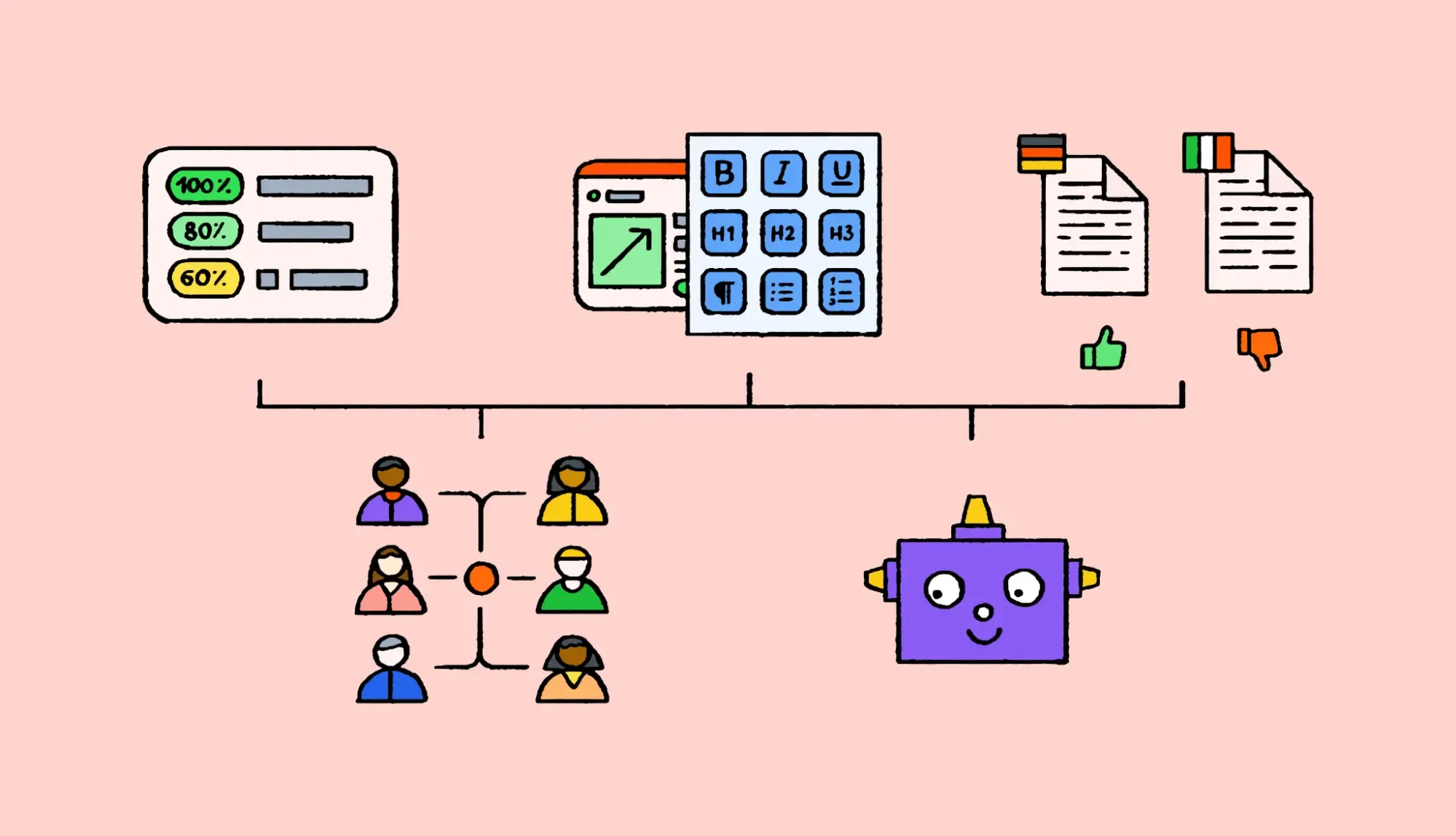
When we talk about translation services, we often focus on words. But here’s a question: what good is a perfectly translated document if it’s hard to read? In the global translation industry, fonts and typography play a silent yet powerful role in multilingual readability. From website localization to multilingual desktop publishing (DTP), the right typography can make or break user experience.
Why Typography Matters More Than You Think
Typography isn’t just about choosing a pretty font. It’s about clarity, accessibility, and cultural resonance. In multilingual communication, typography acts like a bridge connecting languages, cultures, and readers. If that bridge is shaky, your message falls apart.
The Psychology Behind Fonts and Reading Behavior
Different fonts trigger different emotional responses. Serif fonts often feel traditional and trustworthy. Sans serif fonts feel modern and clean. Now imagine applying that across languages like Arabic, Chinese, German, or Spanish. The psychology of typography becomes even more complex—and more important.
First Impressions Across Languages
Think about the first time you visit a localized website. If the font looks cramped or distorted, you instantly lose trust. In professional translation and localization services, first impressions matter. Typography shapes credibility before a single word is processed.
Challenges of Multilingual Typography
Script Variations and Character Sets
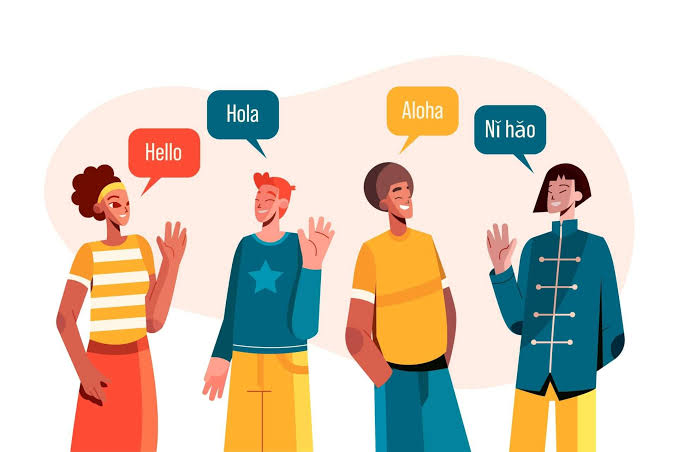
Not all languages play nicely with the same fonts. Latin-based languages differ drastically from Cyrillic, Arabic, Devanagari, or Chinese scripts. Some fonts simply don’t support extended character sets, leading to broken text or awkward substitutions. In global content localization, that’s a nightmare.
Font Compatibility in Localization Projects
During software localization or app translation, fonts must support dynamic text expansion. For example, German text is often longer than English. If your UI design doesn’t account for that, buttons overflow and layouts break. That’s why multilingual font compatibility is crucial.

The Role of Fonts in Translation and Localization Services
Professional translation agencies understand that typography is part of the localization process—not an afterthought.
Maintaining Brand Consistency in Global Markets
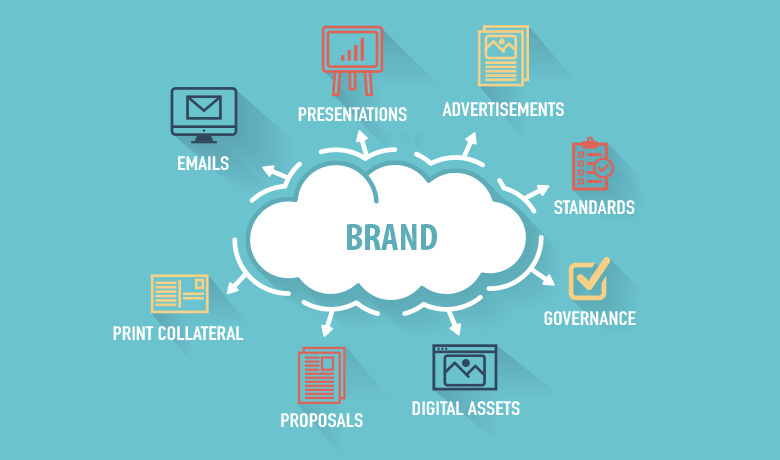
Brands invest heavily in visual identity. But not every brand font supports multiple languages. In multilingual branding, companies often need alternative fonts that maintain the same tone while supporting global scripts. It’s like finding a voice twin for your brand in another language.
Typography in Website Localization
Website translation isn’t just swapping text. It involves adjusting fonts, spacing, and layout for readability and SEO optimization. Search engines favor user-friendly design. If users bounce due to poor readability, your multilingual SEO suffers.
Typography in Software Localization
In software localization, typography affects usability. Clear fonts improve user interface (UI) and user experience (UX). Whether it’s mobile app translation or enterprise software localization, readable typography ensures smooth navigation.
Cultural Sensitivity in Font Selection
Fonts carry cultural meaning. A decorative script might look elegant in one culture but feel outdated or inappropriate in another. In global marketing translation, cultural sensitivity in typography builds trust and relatability.
Best Practices for Multilingual Desktop Publishing (DTP)
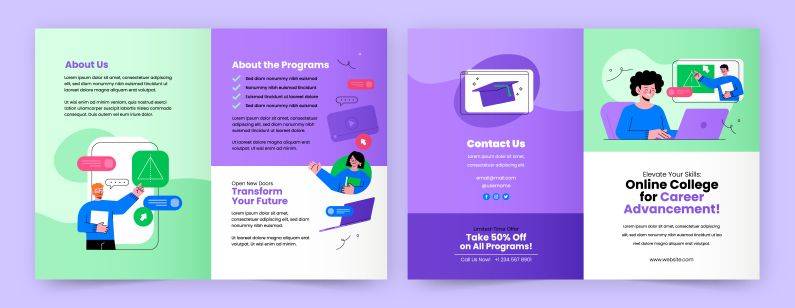
Multilingual DTP ensures that translated content mirrors the original design while adapting to language-specific needs. Best practices include:
• Using Unicode-compliant fonts
• Testing across devices and browsers
• Allowing space for text expansion
• Collaborating with professional localization experts
These small adjustments create a seamless global reading experience.
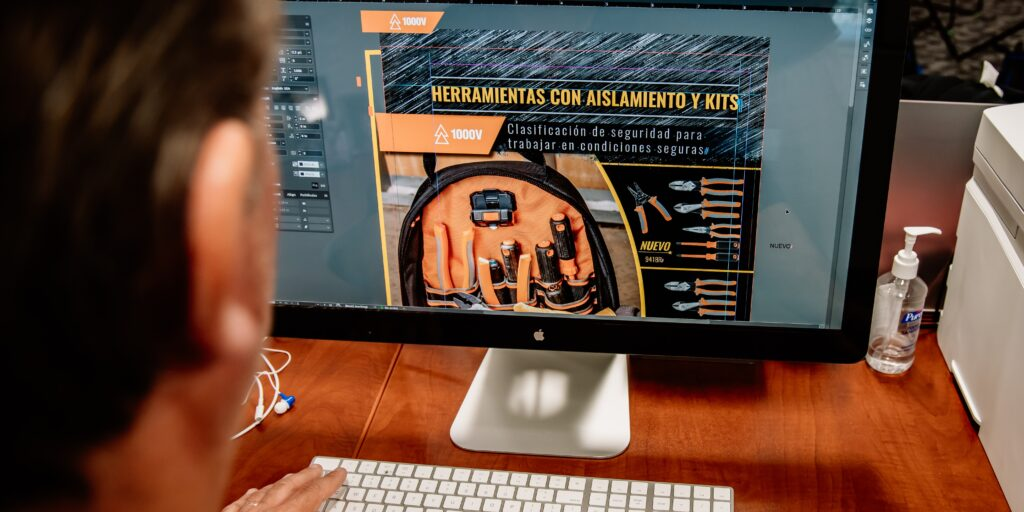
How Professional Translation Agencies Handle Typography
Top translation companies integrate typography into their workflow. They combine linguistic expertise with design knowledge. This ensures that translated content isn’t just accurate—it’s visually accessible and culturally aligned.
From document translation services to eLearning localization, typography is treated as a strategic asset.
The SEO Impact of Multilingual Typography
Did you know typography affects SEO? Readable fonts increase time on page and reduce bounce rates. In multilingual SEO and international content marketing, user engagement signals directly influence search engine rankings. Clean typography supports optimized meta descriptions, structured headings, and keyword-rich translated content.
Simply put, good typography strengthens your global digital presence.
Conclusion
Fonts and typography are the unsung heroes of multilingual readability. In the translation and localization industry, they shape user experience, protect brand identity, and support multilingual SEO strategies. Words may carry the message, but typography delivers it gracefully.
So next time you invest in professional translation services, ask yourself: is your typography ready to speak every language clearly?
 Gaming Computer
1 × $940.00
Gaming Computer
1 × $940.00
 Smartphone Vivo
V9 1 × $899.00
Smartphone Vivo
V9 1 × $899.00 SanDisk Flash
Drive 1 × $756.00
SanDisk Flash
Drive 1 × $756.00 Smart Power Bank
1 × $723.00
Smart Power Bank
1 × $723.00
 Apple Smartwatch
1 × $1080.00
Apple Smartwatch
1 × $1080.00



.jpeg)